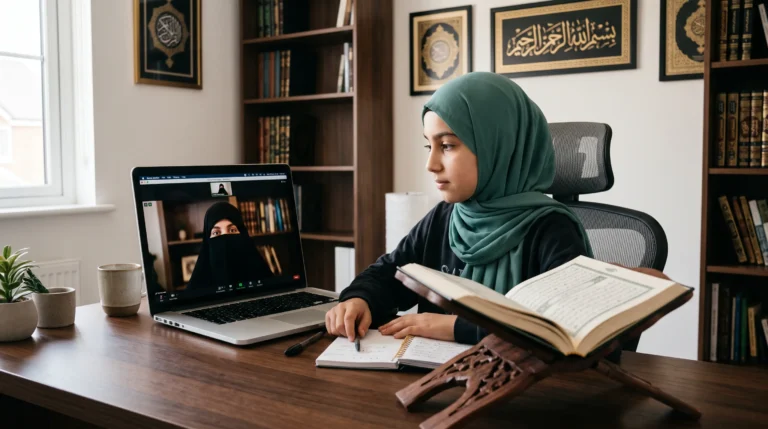
Why Can’t I Pronounce Arabic Letters Correctly?
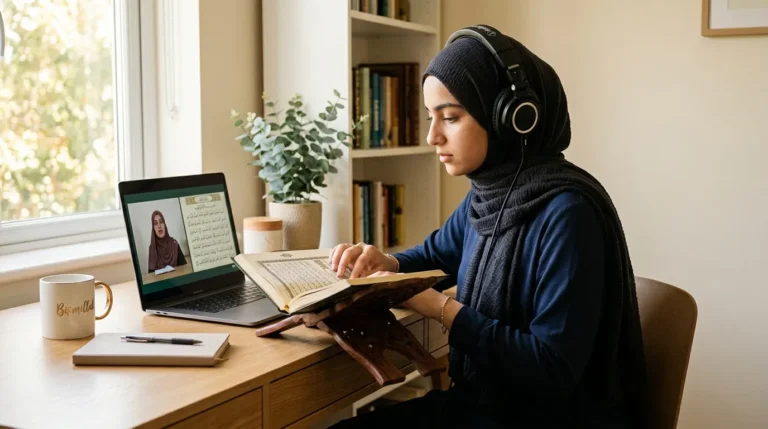
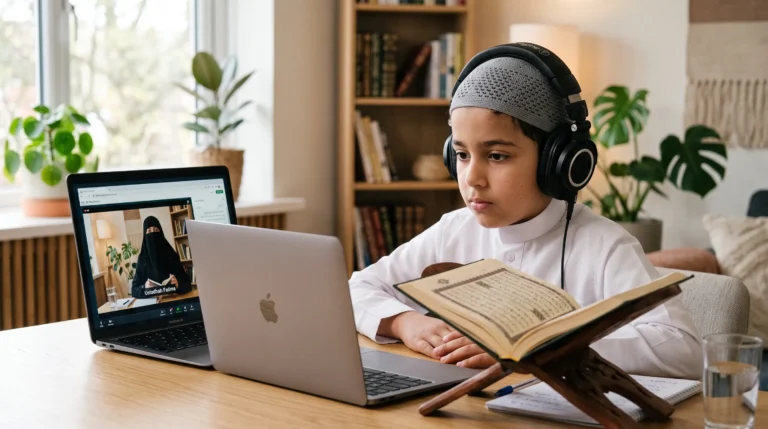
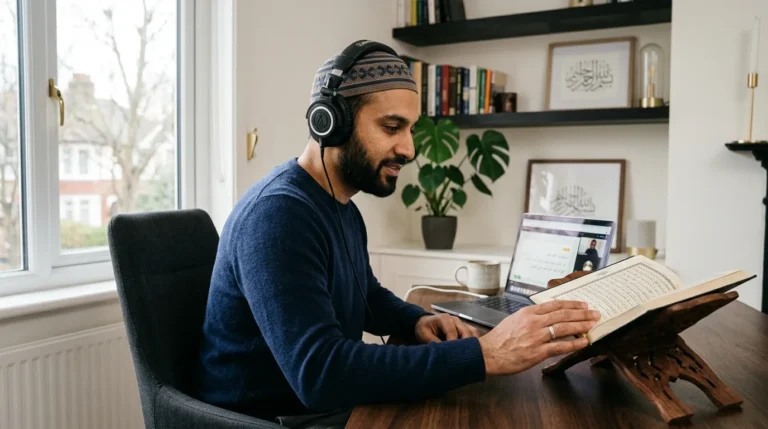
Difficulty pronouncing Arabic letters correctly usually comes down to a handful of sounds that don’t exist in your native language, combined with limited real-time correction — most learners fix this faster with live feedback than with repeated solo practice alone.
Struggling with specific Arabic letters is one of the most common frustrations for both children and adult learners, and it’s rarely a sign of lacking ability — it’s usually about which sounds are genuinely new to your mouth and ear.
Some Arabic Sounds Have No Equivalent in Other Languages
Letters produced deep in the throat, or with subtle differences between similar-sounding letters, are often entirely new articulation points for learners whose native language doesn’t use them. This is expected difficulty, not a personal shortcoming.
Self-Correction Has Real Limits
It’s genuinely hard to hear your own pronunciation errors accurately, especially for unfamiliar sounds. Practicing alone without correction can unintentionally reinforce a mispronunciation rather than fix it.
Rushing Past a Difficult Letter
It’s tempting to move on quickly from a letter that isn’t working yet, but spending focused, repeated time on specifically the letters that are hardest — rather than spreading effort evenly across all of them — tends to produce faster overall improvement.
Not Practicing the Letter in Isolation First
Trying to fix pronunciation while reading full words or verses adds difficulty on top of difficulty. Practicing a challenging letter on its own first, before reintroducing it into words, tends to work better.
Key Takeaways
- Several Arabic sounds genuinely don't exist in other languages, so difficulty is expected
- Self-correction is unreliable for sounds you've never had to distinguish before
- Practicing a hard letter in isolation works better than practicing it inside full words
Frequently Asked Questions
Is it normal to struggle with certain Arabic letters for a while?
Yes, especially letters with no equivalent sound in your native language — this is one of the most common and expected challenges in early Quran learning.
Can pronunciation be fixed through an app instead of a teacher?
Apps can support practice, but real-time correction from a teacher is significantly more effective for fixing pronunciation specifically, since self-assessment of your own sounds is genuinely difficult.
Ready to Try a Class for Yourself?
Book a free trial Tajweed class and get live correction on the exact sounds you're struggling with.
Book a Free Trial Class Chat on WhatsApp