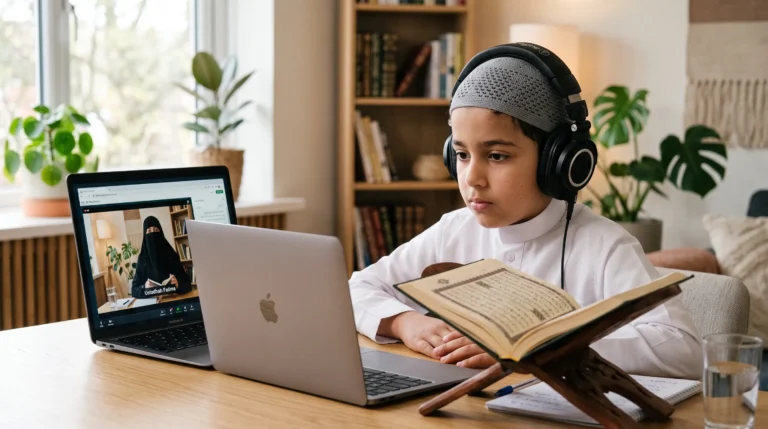
Learning the Arabic Alphabet Before You Read Quran: Where to Start
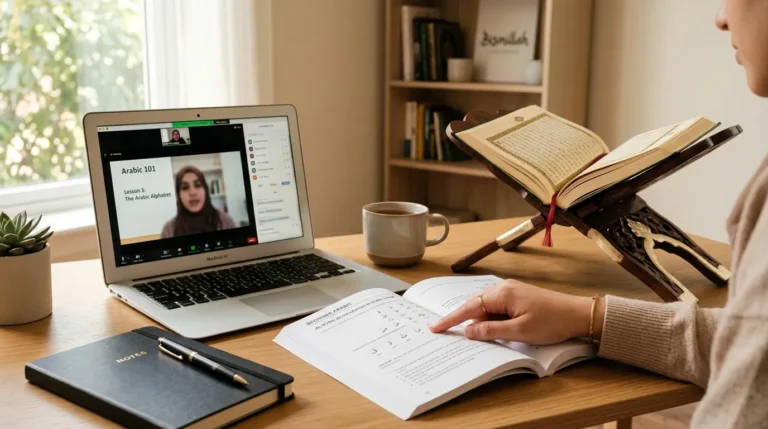
Learning the Arabic alphabet — its 28 letters, their distinct sounds, and how they connect within words — is the essential first step before reading Quran text, and is typically taught through a structured beginner course called Noorani Qaida.
It’s tempting to want to jump straight into reading Quran, but the Arabic alphabet itself is worth treating as its own learning stage rather than something to rush through. Getting comfortable with letters first makes everything that follows noticeably easier.
Arabic Letters Change Shape Depending on Position
Unlike some alphabets, Arabic letters shift in appearance depending on whether they’re at the start, middle, or end of a word, or standalone. This is one of the more unfamiliar parts for new learners, and it’s exactly why dedicated practice on letter recognition matters before moving to full words.
Sounds That Don't Exist in Other Languages
Several Arabic letters represent sounds that don’t have a direct equivalent in English or many other languages. These are usually the letters that need the most repeated, corrected practice, since they’re genuinely new sounds for the mouth to produce.
From Letters to Words to Verses
Once individual letters are comfortable, the next stage introduces short vowel marks and simple letter combinations, gradually building toward reading full words and eventually verses. Skipping ahead of this sequence is what usually causes reading difficulties later.
Key Takeaways
- Arabic has 28 letters that change shape depending on word position
- Several Arabic sounds have no direct equivalent in other languages
- Reading and writing Arabic are separate skills — Quran reading doesn't require handwriting
Frequently Asked Questions
How many letters are in the Arabic alphabet?
There are 28 letters in the Arabic alphabet, each with its own distinct sound, and several change shape depending on their position within a word.
Do I need to learn to write Arabic to read Quran?
No, reading and writing are separate skills. Most Quran students focus on reading and pronunciation first, without needing to learn Arabic handwriting.
Build Your Foundation the Right Way
Book a free trial Noorani Qaida class and start with proper letter pronunciation from day one.
Book a Free Trial Class Chat on WhatsApp